




April 26, 2010
Should we be concerned with current gas containers?
by Gregory S, Cusimano
Howard Dawn poured gasoline into the tank of his lawn mower, placed the cap on the gas container spout and placed it in the middle of a nearby outdoor table in his yard.
Jimmy, his 4 year old son, was playing in the backyard and somehow picked up the gas container. The cap came off and Jimmy dragged the container into the open garage. When Howard saw Jimmy and the gas container lying on the floor in a puddle of gasoline, he ran and grabbed Jimmy.
As he did the gasoline vapors caught on fire and the gas container exploded, engulfing them in flames, severely burning Jimmy and Howard. How could that be? What could have ignited the gasoline? Why would the plastic container explode?
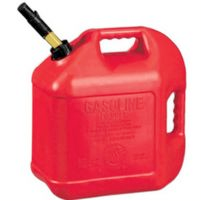 It’s spring and we all love being outside–working in the yard, smelling fresh cut grass, enjoying Alabama’s new growth of azaleas. We can be close to tragedy without ever knowing it. If you have a weed eater, lawn mower or gasoline blower, you are likely to have a cheap red plastic gasoline container. Now we know that something we think is simple and cheap would not explode like dynamite engulfing us or our children in flames. Right? Wrong! Children and family members have been devastatingly burned by these yard bombs. Fumes can ignite from hidden sources and the fire re-enters the containers that then explode. We never would have guessed how easily the fumes can ignite. A pilot light, light switch, an open flame or even static electricity can start the fire.
The Consumer Product Safety Commission (CPSC) just last year finally required plastic gas cans or containers to have safety caps which are resistant to being open easily by children. Although overdue, it was a good step.
However, a simple mesh safety shield–called a flame arrestor–costs pennies and would have eliminated this horrible danger and kept little Jimmy and Howard safe.The safety shields were used for years, before the goal changed to making gas containers cheaply rather than safely. They should be required.
Safety Cans with spring loaded caps and flame arrestors are required on all US Military bases and OSHA regulated business. They should be required for the rest of us! Flame arrestors are an inexpensive safety feature, which usually costs under 50 cents to add to a container. They have small holes within the gas spout, which prevents flames from entering the container. The know how to prevent flames from re-entering gas containers has been around for over 100 years. They are even found today on Bacardi Rum bottles, but not on most plastic gas containers found in and around our homes.